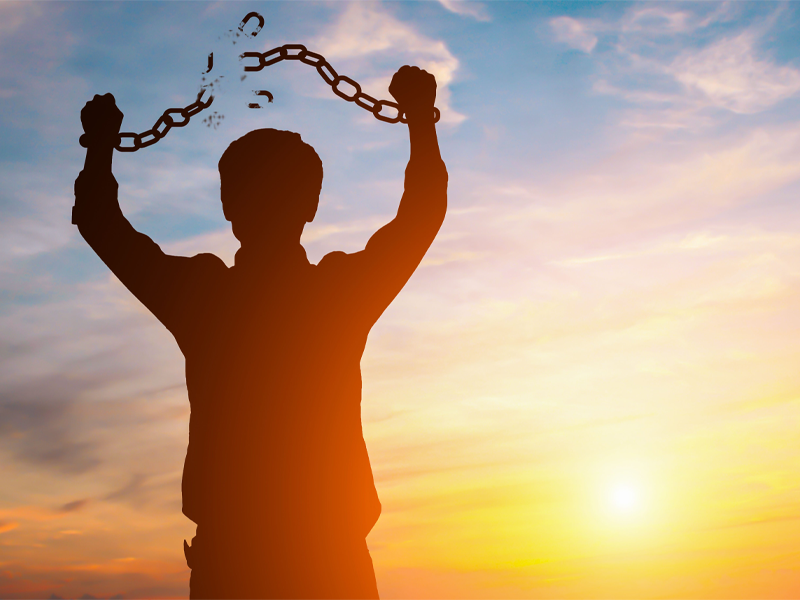
When someone walks out of prison after years behind bars, the world sees a person finally “free.” But freedom, in reality, is far more complex than stepping beyond the prison gates. For many formerly incarcerated individuals, release marks the beginning of a psychological journey filled with mental gaps, identity conflicts, and emotional hurdles.
While society focuses on legal reintegration—finding housing, jobs, and complying with parole—there’s often little conversation about the hidden mental transition that must occur for freedom to be meaningful.
-
Release Is Not the End of the Sentence
For those who have served long prison terms, stepping into the outside world can be overwhelming. Modern cities change quickly; technology evolves, social circles disappear, and personal identities often feel frozen in time.
While the justice system may consider someone “done with their sentence,” the individual is left facing psychological aftershocks. These can include:
- Institutionalization – Adapting to a controlled environment for years can make independent decision-making difficult.
- Disconnection from social norms – Everyday behavior, language, and even fashion can feel unfamiliar.
- Anxiety about survival – The pressure to rebuild life quickly can trigger fear and panic.
In short, freedom can feel more like a second imprisonment—one without walls but full of invisible barriers.
-
The Unspoken Weight of Identity Conflicts
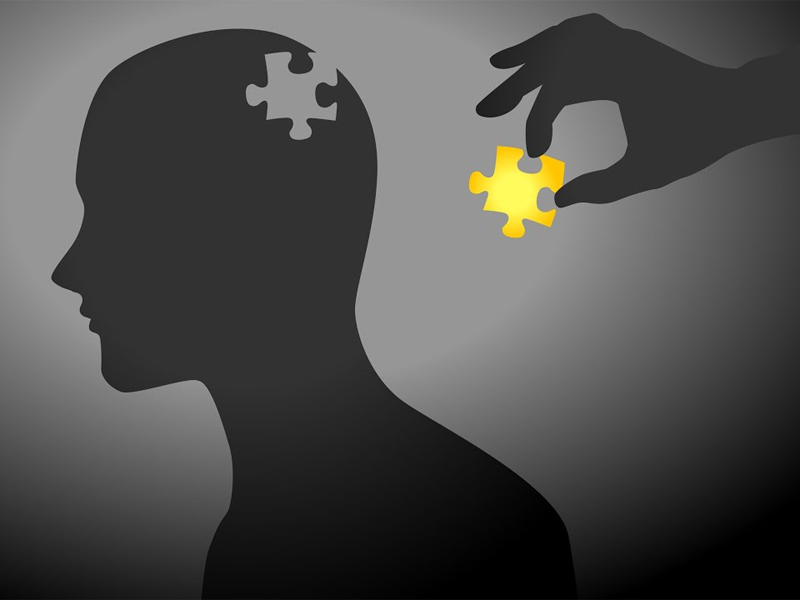
Time in prison often reshapes how people see themselves. Many struggle with the gap between who they were before incarceration and who they are expected to become afterward.
For some, their identity was tied to past mistakes, street reputations, or prison survival strategies. Post-release, they must suddenly adopt the role of “rehabilitated citizen,” which may feel forced or insincere if internal healing hasn’t taken place. This identity conflict can lead to:
- Low self-worth, rooted in stigma or guilt.
- Difficulty forming healthy relationships, especially when trust was scarce behind bars.
- Resistance to change, because new roles feel alien or unearned.
Without mental health support, this gap widens, increasing the risk of emotional isolation or relapse into old patterns.
-
Emotional Suppression Inside, Emotional Overload Outside
Prison culture often demands emotional control. Vulnerability can be dangerous in environments where trust is limited and survival is a daily focus. As a result, many people learn to suppress feelings—anger, sadness, fear, or even joy—as a defense mechanism.
Upon release, those same suppressed emotions resurface in unpredictable ways. A simple misunderstanding in public, family conflicts, or work stress can trigger reactions shaped by years of emotional suppression.
Without healthy coping mechanisms, this can lead to outbursts, withdrawal, or destructive behaviors. Healing requires learning to process and express emotions in ways that prison life never allowed.
-
The Pressure to “Get Back to Normal” Quickly
Society often expects people leaving prison to quickly “get their life together”—find a job, reconnect with family, stay out of trouble. These are reasonable goals, but they ignore the emotional timeline that real healing requires.
For many, reintegration is not guaranteed. There are moments of progress and setbacks, clarity and confusion. Yet external systems often provide little room for emotional adjustment. Parole timelines, job applications, and family expectations can pile up, leaving individuals feeling trapped by pressure rather than supported by opportunity.
Freedom without healing can feel like being handed the keys to a house you no longer recognize—you can enter, but it doesn’t feel like home.
-
The Role of Mental Health Support
Mental health support is a crucial but often overlooked part of successful reintegration. Access to therapy, group programs, and trauma-informed counseling can bridge the mental gaps between incarceration and genuine freedom. Key areas of support include:
- Trauma processing, to address experiences before and during incarceration.
- Identity reconstruction helps individuals build a healthy sense of self.
- Emotional literacy, teaching ways to express feelings safely and constructively.
- Community reintegration, fostering a sense of belonging and trust.
Investing in these supports is not just beneficial for individuals—it strengthens communities, reduces recidivism, and promotes long-term public safety.
-
Society’s Role in Closing the Gaps
Freedom is not just an individual journey; it’s a shared societal responsibility. Communities, employers, and support systems play a crucial role in creating spaces where returning citizens can heal, grow, and contribute.
Simple actions—such as reducing stigma, offering second-chance employment, or supporting mental health initiatives—can make a profound difference. When individuals feel accepted rather than permanently punished, the psychological weight of reintegration becomes easier to carry.
Conclusion: A Story That Reflects This Struggle
The mental gaps of post-prison life are complex, layered, and often invisible to the outside world. They require more than legal processes—they demand healing, understanding, and time.
Lloyd D. L.’s novel Meet Marco: His Thoughts and Actions powerfully explores the psychological challenges faced by individuals adjusting to life after incarceration. Through a deeply introspective narrative, the book sheds light on how freedom, without inner healing, can become its own kind of struggle. It’s a thought-provoking read for anyone interested in justice, psychology, and personal transformation.